A global stage for tomorrow’s leaders
 Equip your child for success with World Scholar’s Cup Training.
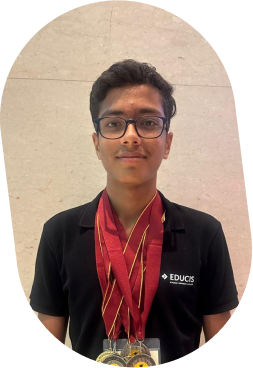
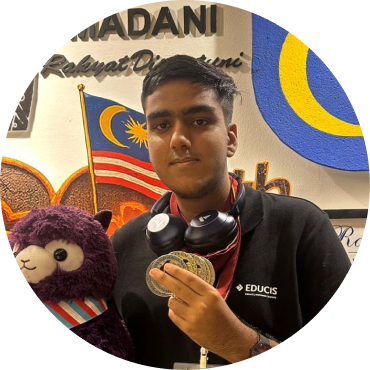
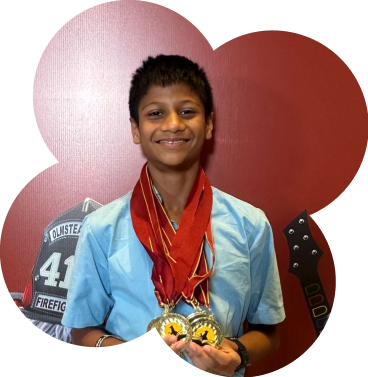
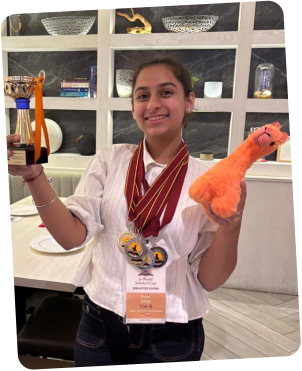
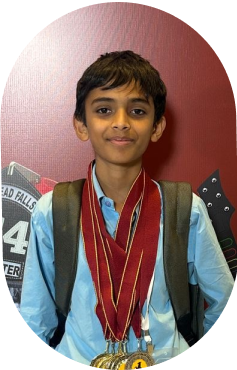
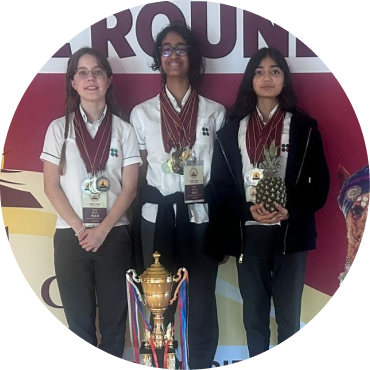
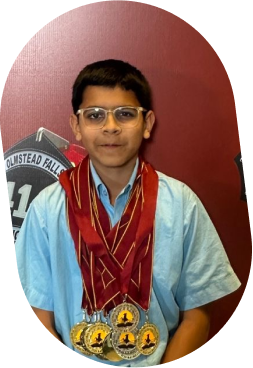
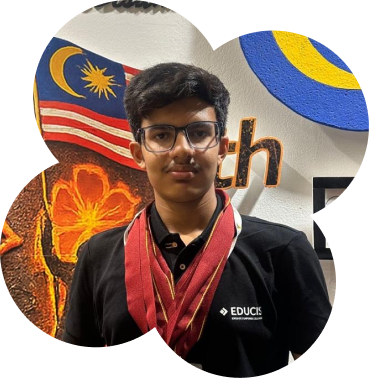

A global stage for young leaders. 65+ countries. Thousands of participants. Debate training with direction, creative writing with a voice, and quizzing with mentorship.
Founded in 2006, the World Scholar’s Cup (WSC) is more than a competition; it’s a global celebration of learning. Students across the globe compete in academic and creative events, culminating in the prestigious Global Round at Yale University. It’s where confidence, critical thinking, public speaking, and collaboration meet the thrill of competition.
Each year’s theme ties together six subject areas in innovative ways: Science, History, Literature, Social Studies, Art & Music & Special Area.
WSC'25 Theme 1 Free Resource!
- Asia Rounds
- Champions trophy |
- India rounds
- Tournament of Champions
- Team |
- Doha Global Rounds
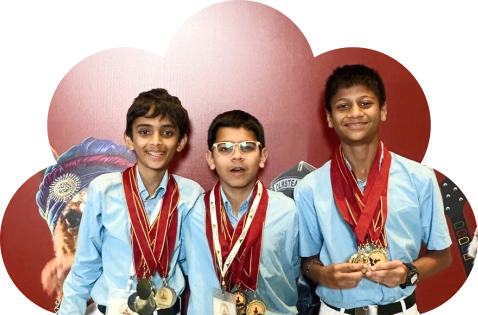
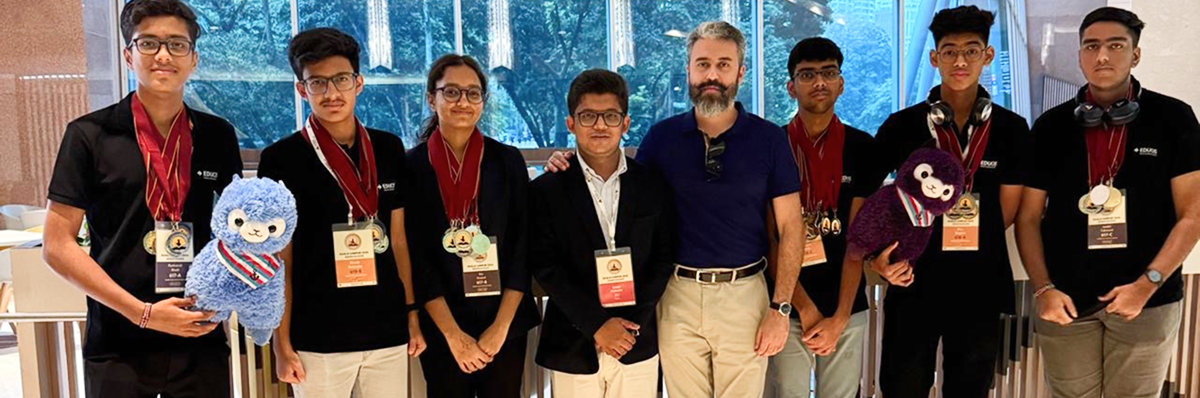
Our students have ranked #1 in the Regional Rounds, #3 in the Global Rounds and #9 in the Tournament of Champions, returning with medals and the confidence to compete on a global stage.
Our trainers include former WSC participants and subject experts who have judged World Scholar’s Cup rounds across the globe.
Personalised practice sessions, mock rounds, and feedback designed to strengthen each student's skills, with personal mentoring throughout the journey.

Insights & Admission Tips

Triumph in Kuala Lumpur: A deep dive into the global round experience
At most US colleges, students spend close to 2 years taking courses in various departments before choosing a set major......

Bangkok Buzz: Strategies & stories from the Bangkok global round
College essays are essentially exercises in creative writing. Unfortunately when it comes to creative writing, Indian students ...often find themselves...

Yale Bound: What it takes to shine at the Tournament of Champions”
US universities seek students who align with their core values and educational philosophy,but what are these values...exactly? At institutions like...
Guided plans, real results
Get Started with WSC Training
Work with our mentors to practice timed essays, sharpen your arguments, and receive detailed feedback.. Develop your creative writing and storytelling skills while learning to structure ideas and build strong, persuasive narratives.

Engage in mock debates with personalised coaching. Our debate training helps students think on their feet, counter arguments effectively, and refine their delivery through repeated practice rounds.

Prepare with guided quizzes and past paper drills across all subjects. We help you master recall, improve accuracy & build confidence with real-time practice questions, strategies & support.

Train through fast-paced, buzzer-style mock bowls. Our sessions focus on teamwork, quick recall & strategy so you can perform under pressure during the real event effectively.

Hear from our students
The WSC training with Educis was an incredible journey. Aman sir’s guidance really helped me understand how to approach debate rounds with confidence and structure my arguments better. His feedback after every practice session made a huge difference. I went into the competition feeling well-prepared & much confident, and I owe a big part of that to the way Educis trained us.
Raisa Saluja
UWC Singapore
Educis’ training gave me access to resources that were so well-prepared and
easy-to-understand that helped break down complex topics and sharpen my research skills. I loved how the material wasn’t just about memorizing facts but also about connecting ideas and thinking critically. These resources became my go-to during revision, and I could clearly see the impact in my performance.
Avyan Goyal
The Doon School
The best part of Educis’ training was the practice quizzes and mock debate
rounds. The quizzes kept me sharp on important content, and the mock debates gave me the chance to test my skills in a competitive but safe environment.Each round built my confidence and taught me to think quickly under pressure. It felt
like I was at World Scholar’s Cup even before the actual competition!
Sia Anand
Bodhi International School
- 1Consult We understand your goals and WSC aspirations.
- 2Assess We evaluate strengths and identify growth areas.
- 3Train Focused practice through quizzes, debates, and mock rounds.
- 4Mentor Ongoing personal mentoring, guidance and strategies to help students compete with confidence.
Frequently asked questions
The World Scholar’s Cup (WSC) is a global academic competition that celebrates learning, curiosity, teamwork and creativity. Students participate in four core events: Team Debate, Collaborative Writing, the Scholar’s Challenge and the Scholar’s Bowl.Each event develops a different set of skills. Debate builds argumentation and public speaking skills, Collaborative Writing develops creative writing and storytelling, while the Scholar’s Challenge and Scholar’s Bowl test knowledge, recall, critical thinking and teamwork.At Educis, our World Scholar’s Cup training combines subject preparation with practical skill development, mock rounds and personalised feedback so students are prepared for both the academic and performance aspects of the competition.
The World Scholar’s Cup is much more than an academic competition. It gives students an opportunity to explore ideas across disciplines, work with peers from around the world and develop skills that extend well beyond the classroom.Students build critical thinking, creative writing, public speaking, debate, collaboration and confidence while engaging with subjects through a global theme. The experience also encourages curiosity, independent thinking and the ability to express and defend an idea.As an extracurricular activity, WSC can become a meaningful part of a student's broader development — particularly for students looking to strengthen their communication, leadership and intellectual interests over time.
Each year, the World Scholar’s Cup selects six subject areas connected through a central global theme. These can include Science, History, Literature, Social Studies, Art & Music, and a Special Area.Rather than treating each subject in isolation, WSC encourages students to make connections between different areas of knowledge and apply what they learn to unfamiliar questions and real-world ideas.Our training helps students approach the curriculum with a combination of subject preparation, research, discussion, quizzes and practice — rather than relying on rote memorisation alone.
Our World Scholar’s Cup training combines structured skill sessions with regular practice designed around the four competition events. Students work on debate, writing and quiz preparation while also participating in mock rounds, timed exercises and teamwork drills.For debate training, students practise constructing arguments, responding to opposing viewpoints and delivering ideas clearly under pressure. Collaborative Writing sessions focus on developing ideas, structuring arguments and strengthening creative writing and storytelling skills.This combination of individual preparation and team-based practice helps students become more confident and adaptable across different competition formats.
Educis helps students form balanced teams based on complementary strengths across academics, writing, and debate. Students who already have a school team can also participate with their existing team.Our mentors help students understand how to collaborate effectively, divide responsibilities, and make the most of each team member’s strengths. This is an important part of the WSC experience, where strong performance depends not only on individual ability but also on communication and teamwork.
Yes. Educis supports students and families with registration, scheduling and preparation logistics for the different WSC rounds.Our role is primarily focused on helping students prepare academically and strategically for the competition. This includes guided preparation, mock rounds, feedback and personal mentoring throughout the training journey.Travel and accommodation arrangements remain parent-led.
Students are encouraged to read widely, take notes and develop short analytical and creative pieces as part of their preparation. The aim is not simply to memorise information, but to understand ideas and learn how to use them effectively.Our Collaborative Writing preparation also helps students develop creative writing, narrative writing and storytelling skills, including how to structure an argument, connect ideas and communicate with clarity.The workload is steady but manageable alongside school, with students typically spending around 2–3 hours per week on independent review or practice.
On average, students should expect to spend around 2–3 hours per week on independent review, reading or practice outside their scheduled sessions.The exact commitment can vary depending on the student’s starting point, goals and competition schedule. Consistent practice is particularly valuable for developing skills such as debate, writing, recall and public speaking confidence.Our approach is designed to make preparation focused and manageable alongside regular school commitments.
The World Scholar’s Cup can contribute meaningfully to a student's broader academic and extracurricular profile because it brings together intellectual curiosity, critical thinking, collaboration, communication and global engagement.Students develop practical skills in public speaking, creative writing, debate and teamwork, while engaging with subjects beyond their regular school curriculum.For students who are intentional about their longer-term development, experiences such as WSC can also contribute to the development of a more authentic student profile — particularly when the activity reflects genuine interests and sustained engagement rather than being pursued simply as an application credential.
WSC training is ideal for students in Grades 6–12. Students are grouped by division, including Junior and Senior categories, so that training can be adapted to their age, experience and level of competition.Students do not need to be experienced debaters or writers to begin. Training can help students gradually develop the skills they need, including confidence building, public speaking, debate, creative writing, critical thinking and collaborative problem-solving.Starting earlier can also give students more time to build these skills through practice and mentoring before competing at higher-level rounds.
World Scholar’s Cup training develops skills across debate, creative writing, public speaking, research, critical thinking, and collaborative problem-solving. Students also build confidence in expressing and defending their ideas.
Students practise speaking in individual and team settings through debates, mock rounds, and structured feedback. The focus is on clarity, confidence, calm delivery, and developing an authentic voice.
Yes. Our training covers the core WSC events, including Team Debate and Collaborative Writing, alongside Scholar’s Challenge and Scholar’s Bowl preparation. Students receive guided practice, feedback and mentoring across each component.
WSC gives students repeated opportunities to speak, write, collaborate and perform under pressure. Through structured practice and feedback, students develop greater confidence in expressing ideas and responding to new challenges.
Start your journey with Educis!